


Tendon failure as a drug side effect
In early 2024, I partially ruptured my triceps tendon while doing something extremely athletic: standing up from my office chair. Reckless, I know. Ironically, I was standing up to do one of my many daily “movement snacks” — an injury prevention strategy!
I guess I should have stayed put.
I’m hardly alone. I’ve heard many stories of tendons that ruptured with little provocation: Stepped off a curb. Reached into the back seat. Caught a falling coffee mug. Sneezed hard.
Partial ruptures like mine are probably even more common, but often undiagnosed. It was less dramatic than a full rupture, of course, but I could feel it tearing, an awful sensation: a wet, shuddering giving way. It felt just like the last time I definitively tore some connective tissue (coracoclavicular ligament rupture, a sports accident in the mid 2000s). A memorable sensation.
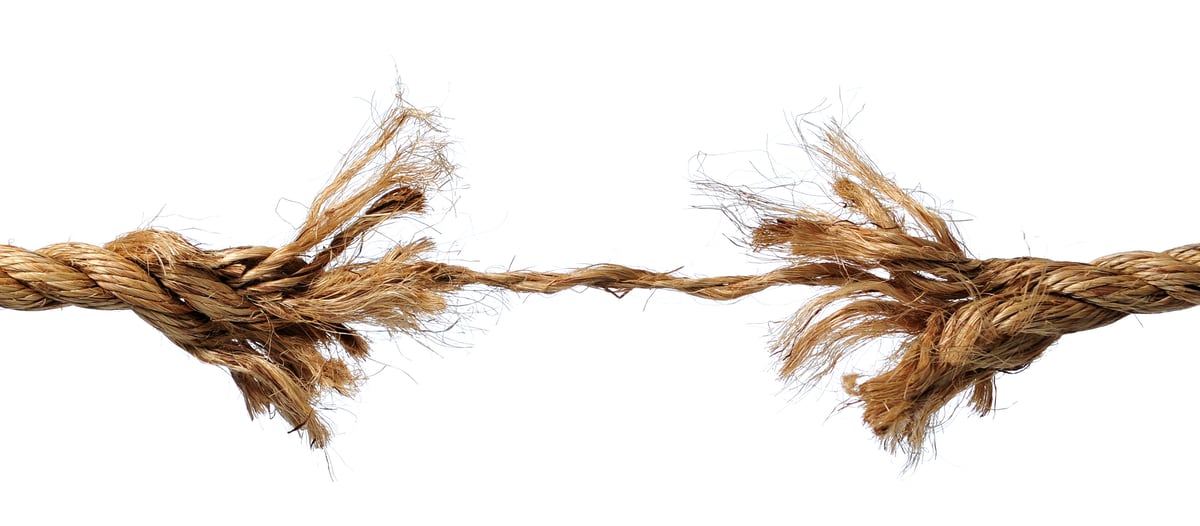
Like rope fibers, tendon collagen can fray and fail under stress. But tendon fibers are a lot more complex than rope fibers, and fail for much more complicated reasons.
I didn’t curse. I just groaned and rolled my eyes and sighed the sigh of the defeated. I have already endured so many insults like this, what’s one more? But perhaps I should have cursed, because it turned out that this injury was probably the tip of a much more disturbing iceberg. This tendon tear was — drum roll please — quite possibly a drug side effect.
Say what now? Yes, you heard that right: tendon rupture as the side effect of a medication. A side effect which I had never heard of before, despite my expertise — despite even knowing about other drugs that do this. This post continues a new theme of “hidden sources of tissue fragility” and other surprising ways to hurt, and digs deep into tendinopathy induced by drugs, especially the statins for high cholesterol. How does that even work? And is it truly happening, or are the drugs innocent? The goal here is practical awareness without fear-mongering: when tendons suffer and fail, meds should be on the shortlist of suspects.
Tendons and other connective tissue as metabolic constructs
To understand how a drug could ever mess with tendons, you have to grok that tendons are chemistry. Our bodies constantly make and maintain tendon tissue, its proteins dancing to the tune of dizzyingly complex biochemical algorithms. Tendons, ligaments, cartilage, and fascia (“gristle”) are not just dumb “bio plastic.” They are biologically busy, always changing, reacting, adapting. They’re the dynamic, constant output of a delicate physiological balance between being built up and torn down. Get that balance even slightly wrong, and you get conditions like Ehlers–Danlos syndrome and the hypermobility spectrum disorders.
More generally, our bodies constantly make connective tissue of all kinds — and that also includes bone, cartilage, fat, and even blood! (It’s not an intuitive category.1) All anatomy is made of molecular bricks, and the molecules are managed by metabolism.
And what can be made … can be un-made. What is managed can be mis-managed. What is delicately balanced metabolically can be knocked off balance.
Worse living through chemistry
Prior to my own tendon tear, I had only been aware of a single drug that (rather notoriously) interferes with connective tissue metabolism and causes significantly elevated rates of tendinitis and tendon rupture. And yet I was not fearful, because that was not the drug I was taking.
There are, it turns out, multiple drugs linked to increased rates of tendinitis and tendon rupture. Sigh.
How many surprising tendon ruptures are these drugs collectively causing? There’s no way to know, but we can safely assume it’s quite a few. The drugs are so common that even rare side effects will turn up. And not all of these side effects are rare! So this isn’t a particularly exotic hazard. This kind of thing is generally why I am a fan of Jacob Stegenga’s “medical nihilism” — a philosophy of rational skepticism about the value and safety of medicine, without being anti-scientific.2
It’s also not a settled medical question. The guilt of some drugs hasn't been proved beyond a shadow of a doubt — although there is an awful lot of justified suspicion. Other drugs, however, are definitely guilty …
Beware the fluoroquinolones
Fluoroquinolones (e.g. Cipro) are a class of antibiotics with particularly nasty and diverse side effects. But the most infamous fluoroquinolone affliction? A 2.5× greater risk of Achilles tendinitis than the average healthy person! And a 4× greater risk of Achilles tendon rupture.3
Jebus. 😳
This is not an unsettled medical question. There’s been an FDA black box warning about these drugs since 2008, strengthened several times since. These drugs are “associated with disabling and potentially permanent serious side effects … [that] can involve the tendons, muscles, joints, nerves and CNS” (FDA). The UK updated their warnings about fluoroquinolones in early 2024. While not actually banned, their prescription is now more aggressively discouraged, and “they should only be used when other commonly recommended antibiotics are inappropriate.” They are not pulling any punches:
“Systemic and inhaled fluoroquinolones are associated with a risk of serious, disabling, long-lasting and potentially irreversible adverse reactions, estimated to occur in at least between 1 and 10 people in every 10,000 who take a fluoroquinolone. These may affect multiple body systems and include musculoskeletal, nervous, psychiatric and sensory reactions. These adverse reactions have been reported in patients irrespective of their age and potential risk factors.”
Suspicion is justified if you took fluoroquinolones within a year before developing a tendinitis, or suffered a tendon rupture. (Or practically any other weird new problem.)
If you are offered a prescription for one of these antibiotics, please politely question that prescription before you accept it — it could make a bad situation much worse.
This example emphasizes how tendons are complex living things that can be poisoned. This phenomenon is one of the cooler, crazier examples of how musculoskeletal medicine is more about biochemistry than biomechanics.
And there are other drugs with the same concern, and extremely common ones at that, and I had no idea in 2024 that I was taking one of them. I was taking cholesterol-lowering drugs — specifically, a statin. [Wikipedia]
Probably tendinopathy isn’t the only hazard (a little informed speculation)
Any drug that can harm tendons can probably harm other things. Connective tissue is important and widely used anatomical scaffolding, and when you tinker with its biology you are going to affect many systems. But other tissue types may also be affected by any metabolic nonsense that can undermine tendon health. Tendon trouble is probably just the most obvious effect.
And we see that with the fluoroquinolones, which are known to cause neuropathy as well as tendinopathy.
There’s no way of knowing whether the damage that causes tendinopathy and rupture is the tip of an iceberg of more widespread or lasting effects. It’s unlikely to be serious for long … but it could be, unfortunately. That’s really terrible for anyone, but it’s an especially unwelcome complication in the life of anyone who already has some unexplained chronic pain or illness.
Statin myopathy and more
I have familial hypercholesterolemia, a genetic disorder that makes livers pump out extra cholesterol — quite a lot of it, in my unusually severe case. People with FH dominate the statistics for cardiovascular disease. When a seemingly healthy person drops dead from a stroke or heart attack at 50, it was probably one of us. (I have written about this disease in detail elsewhere, if you’re curious.)
Are we getting off topic here? Not as far as you’d think. General physiology is relevant to connective tissue health. This isn't just about why I was taking statins — it’s about the biology, both with and without the medications.
You cannot improve the FH lipid profile with any amount of diet or exercise, although a healthy lifestyle may still be protective.456 Until there's better data on that, to be sure of reducing the risk, you do need some drugs.
The statins have been the major evidence-based treatment option since the mid 1990s. I first tried them in early 2024. I had long suspected that statin therapy was in my future, and I was well aware of how they are notorious for causing muscle pain.
Many people are aware of that. Statins are notorious for it.
“Statin myopathy” — statin muscle disease — is controversial, mainly because there is good evidence that its severity has been exaggerated. But that same evidence makes it just as clear that the side effect does exist, and it’s not particularly rare (at least 5%).7 Note that as of 2025, we also have direct evidence of exactly how statins might do this to people: the drug has been caught on camera meddling with muscle cell metabolism in a “well that can’t be good” way — and it sure boosts the case for a genuine side effect.8 Importantly, even slight chronic muscle dysfunction and aching for many years is not a trivial symptom. Any amount of pain matters when multiplied by years.
Perhaps unsurprisingly, weakness and pain come with other adverse effects. But I had no idea of this when they were first prescribed to me.
I got the statin muscle trouble. It was distinctive and nasty.9 That side effect alone was a deal-breaker.
Rosuvastatin was the likeliest cause of my tendon rupture.
Many warning signs and symptoms before a startling consult with Dr. Google
I stopped taking the drug and the weird aching of statin myopathy quickly eased. But then, despite the stoppage, my tendons started aching and burning and twinging, and a few weeks later I felt like I had mild tendinitis in a half dozen places. I was going through a lot of Voltaren Gel: Does It Work? (topical diclofenac). I also noticed a freakish surge in joint popping!
Oddly, none of this made me suspicious.10
And then one day I pushed myself out of my chair to take an exercise break and… riiiiip, my triceps tendon shredded a bit. 🤏🏻
Which is when I finally learned that all the statins might also be tendon-wreckers — the same infernal thing as the fluoroquinolone antibiotics, but for a much more widely used drug family. This side effect is less well-documented than statin myopathy, and probably rarer. Despite the rarity, discovering evidence of this phenomenon was enough to make my blood run cold, the most startling consult I’ve ever had with good ol’ Dr. Google. The overall volume of evidence on this topic is impressive (citations coming). Even weeks after my last pill, it was clear that statins might be to blame.11
I’m reasonably confident about my diagnosis. And yet the science of statin tendinopathy is not conclusive. It’s complicated, as usual.
A whirlwind tour of statin tendinopathy studies
All of the studies below collectively suggest — but do not prove — that statin-associated tendon problems are real, probably uncommon, biologically plausible (via effects on matrix remodeling), not limited to any single statin, and visible across case reports, animal models, and in large medical data sets. This is all what we’d expected to see for a genuine under-recognized adverse effect.
Pullatt et al report one of many case studies, included here because it was one of the first I found, and for this intriguing speculation about mechanism: “Physiological repair of an injured tendon requires degradation and remodeling of the extracellular matrix through matrix metalloproteinases.[Wikipedia] It was hypothesized that statins may increase the risk of tendon rupture by altering MMP activity.”12
MMPs are known to be inhibited by statins. These are big proteins that use metals to get their job done — usually zinc, sometimes cobalt. And what is their job? The MMPs are a big family of enzymes that manage the manufacturing and breakdown of all the usual connective tissue ingredients: your collagens and elastins, your gelatins and glycoproteins, proteoglycans, and so on. Yep, seems like you might want to be careful inhibiting that!
- Rubin et al reported another single example in 2011, but it was a particularly crazy case: bilateral, simultaneous rupture of the quadriceps tendon! Great Odin’s raven! “Musculoskeletal complications such as pain, myositis, rhabdomyolysis, myopathies and tendonitis are well known,” the authors write, but “tendon rupture associated with statin therapy is rare and it has been suggested that it may be related to the pleiotropic effect of statins on matrix metalloproteinase activity.”13 (Pleitropy just means the drug has a second effect, not obviously related to its primary mechanism of action.)
- Marie et al collected ninety-six case reports of statin tendinopathy (and 33 ruptures): “Our series suggests that statin-attributed tendinous complications are rare, considering the huge number of statin prescriptions. We suggest that prescribers should be aware of tendinous complications …”14 Of course, this was based on reported cases, and it’s extremely likely that cases are under-reported. Many people would never even suspect a delayed drug-tendon link, and you have to suspect it to report it. Still, point taken: even if it is often missed, it’s probably still a rare problem relative to the sheer quantity of statins being consumed.
- Knobloch reviewed all drug-induced tendon disorders in 2016. There are four kinds of drugs that mess with our anatomical rigging. “Drug-induced tendon disorders are an often underestimated risk factor. The range of detrimental effects on the tendon include tendinopathy as well as potentially tendon rupture. Four main drug classes have been reported to be associated with potentially deteriorated tendon properties: 1. Corticosteroids, 2. quinolone antibiotics [mostly fluoro-quinolones], 3. Aromatase inhibitors, 4. Statins as HMG-CoA-reductase inhibitors. … nearly every tendon of the entire body might be affected in a detrimental way by one or a combination of the aforementioned agents.”15
- Kaleağasıoğlu et al induced statin tendinopathy in rats (with extreme dosing, notably): “All the statins caused deterioration of the biomechanical parameters of the Achilles tendon … All the statins tested are associated with calcific tendinopathy risk of which full awareness is required during everyday medical practice.”16 Calcific tendinopathy can be super nasty, gout-like in its intensity, as I learned the hard way; I would rather put my hand in the Reverend Mother’s pain box than do that again.
- Eliasson et al provided some welcome evidence in 2019 that statin tendinopathy may not be lasting, the only such evidence I’ve found so far: “Former users did not confer a higher risk of tendinopathies … Current statin use seems to increase the risk of trigger finger and shoulder tendinopathy…”17
- Kwak et al’s 2023 review is probably the most rigorous evidence of the existence of statin tendinopathy available to date, showing 40% more tendinopathy in Korean statin users: “Previous longitudinal cohort studies have reported the conflicting results of the relationship between statin use and the development of tendinopathy disorder. … This nationwide population-based cohort study suggests that statin use regardless of the statin type was associated with a greater risk of tendinopathy compared with that of nonusers.”18
That’s quite a lot. It makes you wonder how many people are running around out there with statin-boosted tendon troubles, doesn’t it?
Is it the statins that are breaking tendons? Or is it the metabolic disorders that statins treat?
Maybe my tendon tore because I had fatty blood, and not because I danced with statins.
Correlations are always getting us in trouble. Tendinopathy cropping up in people who take statins could be a classic example of a link that isn’t what it looks like.
Officially, high cholesterol is asymptomatic; even severe hyperlipidemia is clinically invisible. But this data directly suggests that it’s not invisible to research: look at enough data in the right way, and you find … strong evidence that tendinopathy is much more common in people with metabolic syndrome (obesity, dyslipidemia, and diabetes), regardless of statin usage.19
So maybe the statins are an innocent bystander in these cases of tendinitis and rupture. Hell, maybe they were actually helping! It would be an ironic shame if we fearfully blamed statins for causing a problem that they are actually treating.
Here are two recent papers that push back against the statin tendinopathy concept (both of these footnotes are big, practically little blog posts unto themselves):
- Gillard et al. analyzed a huge U.S. health claims database and found no increased risk of tendon rupture or tendinopathy among statin users with cardiovascular disease — in fact, their risk was lower. That result is reassuring about statin safety at large scale, but this is low-resolution data that will miss some things — like early-treatment, dose-specific, and rare effects — so it can’t rule statin tendinopathy out entirely. It only confirms what was already obvious: statins are generally quite safe, and any tendon trouble they cause just isn’t severe enough to be obvious in bulk.20
- Zhou et al. used genetic analysis (Mendelian randomization) to look for better-than-correlation evidence that statins can cause Achilles tendinopathy, finding no causal signal. This too is reassuring and yet also far from proof of anything: MR tests lifelong biological proxies (not real-world drug exposure), and they only looked at one tendon. The results weaken the statin tendinopathy claim, but they don’t kill it.21
This is an extremely complicated epidemiological puzzle, and it is not solved. The bottom line is that we simply do not know whether statins cause tendons to burn or break. About all we can say with confidence is that it must not be common/severe … or the puzzle would be solved by now.
No more statin side effects for me
I never returned to taking statins. I wanted nothing more to do with them. Despite the encouraging evidence from Eliasson et al that statin tendinopathy may not be lasting, I am hardly convinced by that alone. Even though long-term damage may have already been done, the only thing worse than getting a serious side effect from a drug… is continuing. In the aftermath of the partial rupture, it just seemed unthinkable to resume statin therapy.
But I still had stupidly high cholesterol, and that’s also a serious risk — undeniably more dangerous than tendinopathy! Which is why I’m grateful (and lucky) that I didn’t feel forced to choose between a devil I know and a different devil that I merely suspect. No one should have to choose between strokes and tendon ruptures! I have been able to control my pathologically high cholesterol with a completely different kind of drug, evolocumab (Repatha). [Wikipedia]
Repatha isn’t exactly for everyone, though, because it’s breathtakingly expensive. You do get what you pay for, however! (That’s an earnest testimonial, not a paid product plug, which I would never do.) This drug tamed my lipid profile in a month, from “stupidly high” to super low. And side effects? I’ve had none, and so far no one else seems to have had any significant ones either (there’s nothing serious on the official list). But I couldn’t possibly afford it on my own, and Canadian taxpayers are footing the bill for mine. I’m only able to replace statins with Repatha thanks to the enlightened policies of Canadian public health insurance.
Cost of Repatha? About CAD $1200/month (roughly USD $900 right now). And the cost of strokes and heart attacks? Much more!
(Cholesterol deniers responding to this post will be ignored with prejudice.)
Fear-mongering?
Thanks to the cost of Repatha, many people will be forced to choose between the very clear long-term risks of untreated high cholesterol, and the somewhat unclear short-term risks of statins. That dilemma sucks, and there is a risk of scaring readers with this information — many of you are taking statins already, or you will be offered them soon enough, and it’s not going to feel good to learn that weird aching could be just the beginning of a more serious side effect drama.
I’m always keen to avoid mongering fear, but not all discussion of risks and hazards is fear mongering. In this case, I think chronic pain patients particularly deserve to know about this side effect. If a patient already has unexplained pain and musculoskeletal troubles, it would be disturbingly easy to dismiss the warning signs of statin tendinopathy … just as I did until I got a rupture.
But even otherwise healthy people aren’t going to wonder about a connection between their cholesterol drugs and their tendons burninating. [Wiktionary] I suspect most would just chalk that up to aging. Because most people taking statins are in that “losing battle” stage of life!
So I am sharing the information — scary or not. Sometimes life is scary. Like when you tear a tendon getting up out of a chair. And if something similar happens to you, now you know that it could be related to your statins.
Notes
In the science of tissue, histology, adipose tissue is uncontroversially classified as a specialized connective tissue, a subtype of “loose” connective tissue. Seemingly stranger still, blood is also traditionally classified as a highly specialized connective tissue, because it derives from mesenchyme and consists of cells embedded in an extracellular matrix (plasma): so basically even looser connective tissue. That “cells in a matrix” thing is the common denominator.
This is orthodox textbook stuff, not a fringe view. But the classification of blood as connective tissue is nerdy and technical, and few clinicians and biologists think of it that way outside of the context of histology. And some modern texts downplay or sidestep the label for blood because it lacks fibers in situ (and fibrin appears only during clotting).
So it’s definitely unintuitive, but also definitely histologically correct that fat and blood are connective tissue — and important in this context, because it means that there are a lot of non-obvious things affected by things that affect connective tissue!
- Stegenga J. Medical nihilism. First edition ed. Oxford University Press; 2018.
How good is modern medicine? Almost everyone loves to hate it, but routinely for the wrong reasons. We are used to hearing criticism of medicine mostly from cranks and quacks, and about 90% of it is just in service of selling their bullshit “alternatives.” In the post-pandemic US, medicine and medical science are now also on the front lines of the American culture war on science and expertise.
Imagine criticizing medicine for the right reasons. What a surprisingly rare and refreshing idea! I’d like to strongly recommend this extremely skeptical, high-quality take on the state of art and science of medicine, from the podcast EconTalk, interviewing Jacob Stegenga.
Stegenga is harsh but absolutely fair, criticizing medicine without being anti-scientific. He gives credit to medicine where due, but only where due, and argues persuasively that we should have little confidence in the effectiveness of medical interventions, and a lot of caution about their harms. He proposes that we need a lot more “gentle medicine” that errs on the side of less intervention.
I think this is the kind of criticism medicine actually needs. There’s a fantastic book, and a short British Medical Journal editorial about it. Listening to Stegenga talk about it himself on a podcast is another good introduction to the book.
- Alves C, Mendes D, Marques FB. Fluoroquinolones and the risk of tendon injury: a systematic review and meta-analysis. Eur J Clin Pharmacol. 2019 Oct;75(10):1431–1443. PubMed 31270563 ❐ “The results of this meta-analysis confirm the risk of tendon injuries associated with fluoroquinolones.”
- Good fitness probably does protect people with FH regardless their lipid levels. Even when LDL is still high (not controlled with medication), a healthy lifestyle is linked to a lower risk of heart attacks and strokes. This is both plausible and partially supported by the evidence — see next citations — but that evidence also isn’t anywhere near good enough (“observational” only). Certainly there are no randomized controlled trials randomizing FH patients to intensive lifestyle intervention with hard outcomes. We don’t even have small mechanistic studies to confirm that people with very high cholesterol can still get all the well-known, measurable, short-term health benefits of exercise! I think we can say that some protective effect is likely, but its power is just unknown. It could be quite modest compared to statins and PCSK9 inhibitors. Until we know, we can assume that lifestyle is probably protective, and certainly worthwhile for other reasons, but it probably isn’t protective enough to pass on lipid-lowering drug therapy.
- Fahed AC, Wang M, Patel AP, et al. Association of the Interaction Between Familial Hypercholesterolemia Variants and Adherence to a Healthy Lifestyle With Risk of Coronary Artery Disease. JAMA Netw Open. 2022 Mar;5(3):e222687. PubMed 35294538 ❐ PainSci Bibliography 49363 ❐
This is an observational study using UK Biobank data: a case-control analysis (~5k heart-attack cases, ~5k controls), plus a cohort of ~40k with genetic sequencing and lifestyle info. Fahed et al. looked for pathogenic familial hypercholesterolemia (FH) variants and scored lifestyle on four items: healthy diet, exercise, not smoking, not obese.
They found FH variants were rare but risky: 3 times the risk of heart attack in the case control, almost 3.8 in the cohort.
Notably, carriers with a favorable lifestyle had much lower risk (hazard ratio 0.14 — about 86% lower) compared with unfavorable lifestyle.
- Tada H, Kojima N, Yamagami K, et al. Impact of Healthy Lifestyle in Patients With Familial Hypercholesterolemia. JACC Asia. 2023 Feb;3(1):152–160. PubMed 36873758 ❐ PainSci Bibliography 49360 ❐
This is an observational cohort study of people with familial hypercholesterolemia (FH). Researchers followed patients for about a dozen years (IQR 9.5–17.9) and recorded 179 major adverse cardiac events (MACE).
Each person had genetic testing for FH mutations and was assigned a lifestyle score based on a questionnaire. Having an FH mutation was associated with close to a 3x greater risk of MACE across the whole group … but when they singled out the folks with a healthy lifestyle, their MACE risk was actually lower, only about two thirds.
Self-reported lifestyle factors are a substantial weakness of the data. But the long-term follow-up was great.
- Cholesterol Treatment Trialists' Collaboration. Effect of statin therapy on muscle symptoms: an individual participant data meta-analysis of large-scale, randomised, double-blind trials. Lancet. 2022 Aug. PubMed 36049498 ❐
This is an enormous review of nineteen placebo controlled tests of the side effects of statins, following over 30,000 patients for about 4 years on average. A data set like that makes a typical little musculoskeletal medicine study look like a shack in the shadow of the Burj Khalifa.
There was no major difference in the rates of muscle pain and weakness in statins versus placebo. They saw a modest signal in the first year, and for more intensive statin therapy: slightly more myopathy with statins, and mostly mild. Only about 1 in 15 cases of allegedly statin-induced myopathy reported by patients were actually related to statins, according to this data, and those were pretty tame. The researchers concluded:
“Statin therapy caused a small excess of mostly mild muscle pain. Most (>90%) of all reports of muscle symptoms by participants allocated statin therapy were not due to the statin. The small risks of muscle symptoms are much lower than the known cardiovascular benefits.”
This statin evidence cuts both ways: it undermines the Legend of Statin Associated Myopathy, but it also confirms that there is indeed an unpleasant side effect. Even a 5% risk of very mild-but-chronic muscle pain might seem unacceptable to many people. One in twenty is not “rare,” and no amount of chronic pain is cool. So even as it fights excessive hype about SAM, it’s not particularly reassuring either.
Note that statins were directly caught on "camera" meddling in muscle cell metabolism (see Weninger). While not capable of explaining everything about statin myopathy, this significantly boosts the case for a genuine medical side effect.
For a more detailed report on this paper, see “Sign me up for mild muscle pain? The statins dilemma.”
- Weninger G, Dridi H, Reiken S, et al. Structural basis for simvastatin-induced skeletal muscle weakness associated with type 1 ryanodine receptor T4709M mutation. J Clin Invest. 2025 Dec;135(24):e194490. PubMed 41392983 ❐ PainSci Bibliography 49197 ❐
This is a study of the biochemistry of how statins (cholesterol-lowering medications) might cause muscle symptoms as a side effect. Researchers looked at molecules in near atomic detail with cryogenic electron microscopy, and they could see the drug simvastatin sitting inside a key calcium-release channel (RyR1) inside muscle cells, tending to hold it open and maybe making it “leaky” in some contexts (extreme oversimplification warning). Muscle contraction relies on calcium flowing back and forth across (internal) cell membranes in a just-right way, and holding a channel open is probably a problem — although it’s not as obvious or explanatory as you might think.
On the one hand, this is a bit of a smoking gun — highly specific evidence of the drug interfering with a key piece of muscle cell machinery. It’s a major upgrade from vague speculation about wonky calcium metabolism, and good evidence of how statins might cause muscle weakness, and maybe pain in some people. Any pain resulting from this would more likely reflect increased tone, stiffness, and fatigue (not literally cramping, but it might feel like it).
On the other hand, it’s a little disappointing how little light is shed on the matter by this highly specific mechanism. The problem is breathtakingly complicated, there are still many uncertainties, and probably other factors. In particular, this evidence does not do much to explain why so many people don’t get the side effect, or why roughly 10% do. The researchers did identify an RyR1 mutation that may explain some strong reactions in a handful of people.
My cardiologist seemed to fully appreciate that I had good cause to be worried about adding such a side effect to my long history of complex body pain. Would I even be able to detect the signal in all that noise? I wrote about this part in more detail last fall: “Sign me up for mild muscle pain? The statins dilemma.” I also have a free personal newsletter dedicated to the low, slow troubleshoot of my health problems, which are generally like long COVID but with extra pain.
I needn’t have worried about missing the signal! About ten days after starting, I developed a clear new muscle aching — unlike anything I’ve ever experienced before, which is saying something. The chronic pain problems I’ve had since 2015 are rather kaleidoscopic. But pain comes in more flavours than ice cream, and this new pain was definitely unfamiliar.
This new pattern of symptoms did not even register as particularly noteworthy, let alone a possible side effect. Why not?
- Holiday distractions! I simply didn’t pay close attention.
- Unlike the statin myopathy, these were not distinctive symptoms: among my many common symptoms, I’ve always been prone to tendinitis and joint popping, so I interpreted them as a “rough patch,” more extreme but all-too familiar. Business as usual!
- Statins are known for causing muscle pain, not so much for tendinitis … and I wasn’t even still taking a statin. So I also wasn’t still thinking about statin side effects. Silly me.
- I did not take rosuvastatin for long, and not for several weeks before the injury. Is a delayed effect possible? It does cast some doubt on the side effect story. But we already know that such delays are standard with the fluoroquinolone antibiotics: those drugs are rarely taken for longer than a couple weeks, and yet they can rupture a tendon up to a year later (and there are other serious related side effects that can be permanent). And it is generally plausible that altered tendon metabolism might take a while to corrode a tough tendon. Unfortunately, I think the delay doesn't mean much. If anything, it was almost too short a period, not enough time for that damage.
- Pullatt RC, Gadarla MR, Karas RH, Alsheikh-Ali AA, Thompson PD. Tendon rupture associated with simvastatin/ezetimibe therapy. Am J Cardiol. 2007 Jul;100(1):152–3. PubMed 17599460 ❐
- Rubin G, Haddad E, Ben-Haim T, Elmalach I, Rozen N. Bilateral, simultaneous rupture of the quadriceps tendon associated with simvastatin. Isr Med Assoc J. 2011 Mar;13(3):185–6. PubMed 21608343 ❐
- Marie I, Delafenêtre H, Massy N, et al. Tendinous disorders attributed to statins: a study on ninety-six spontaneous reports in the period 1990-2005 and review of the literature. Arthritis Rheum. 2008 Mar;59(3):367–72. PubMed 18311771 ❐
- Knobloch K. Drug-Induced Tendon Disorders. Adv Exp Med Biol. 2016;920:229–38. PubMed 27535265 ❐
- Kaleağasıoğlu F, Olcay E, Olgaç V. Statin-induced calcific Achilles tendinopathy in rats: comparison of biomechanical and histopathological effects of simvastatin, atorvastatin and rosuvastatin. Knee Surg Sports Traumatol Arthrosc. 2017 Jun;25(6):1884–1891. PubMed 26275370 ❐
- Eliasson P, Dietrich-Zagonel F, Lundin AC, et al. Statin treatment increases the clinical risk of tendinopathy through matrix metalloproteinase release - a cohort study design combined with an experimental study. Sci Rep. 2019 Nov;9(1):17958. PubMed 31784541 ❐ PainSci Bibliography 51654 ❐
- Kwak D, Moon SJ, Park JW, Lee DH, Lee JI. Effects of Statin Treatment on the Development of Tendinopathy: A Nationwide Population-Based Cohort Study. Orthop J Sports Med. 2023 Jul;11(7):23259671231167851. PubMed 37465206 ❐ PainSci Bibliography 51649 ❐
- De Luca P, Grieco G, Bargeri S, et al. The interplay between metabolic disorders and tendinopathies: Systematic review and meta-analysis. J Exp Orthop. 2025 Jul;12(3):e70429. PubMed 40937086 ❐ PainSci Bibliography 49292 ❐
This paper strongly links diabetes, dyslipidemia (high cholesterol), and obesity not just to any kind of “chronic pain” (like Zhu) but specifically to tendinitis — with some extremely high odds ratios, like 6× the risk of Achilles tendinitis and 10× the risk of tennis elbow. The study is a systematic review and meta-analysis pooling 53 observational studies (cohort, case‑control and cross‑sectional), with all the usual caveats (correlation is not causation, but it can be a good hint).
- Gillard KK, Bloedon L, Grady-Benson JC, et al. Prevalence of Tendon Rupture and Tendinopathies Among Patients with Atherosclerotic Cardiovascular Disease Derived From United States Administrative Claims Data. Cardiol Ther. 2024 Sep;13(3):575–591. PubMed 39003659 ❐ PainSci Bibliography 49365 ❐
This is a retrospective observational study using a massive US medical and pharmacy claims database, comparing 5.6 million adults with atherosclerotic cardiovascular disease (ASCVD) to ~56 million without. Tendon ruptures and tendinopathies turned up in 3.4% of people with ASCVD versus just 1.9% in the general claims population. The biggest risk factors for tendinopathy were age, obesity, and rheumatoid arthritis.
But guess what wasn’t a risk? The 67.9% of ASCVD patients on statins did not have more tendon problems. In fact, they had fewer!
On its face, this could easily be mistaken for strong evidence against statins as a cause of tendinopathy. To be clear, that’s not what the authors say: they frame their results as reassuring safety evidence, not as a falsification of the statin-tendinopathy hypothesis. In other words, their reasonable conclusion is that statin tendinopathy isn’t widespread/severe, not that it doesn’t exist at all.
Nevertheless, this will be seized on as a blow for statin tendinopathy by many experts. If a phenomenon truly exists and matters, it generally leaves some statistical trace. But there are major caveats! Correlations are just as fragile and misleading in their absence; there are many ways observational data can be “unobservant.”
For instance, this study’s index date is at diagnosis, not when people started statins. Any tendon risk could easily be concentrated around starting statins (or dose escalation), and this design would miss that by design — and might well have. This is probably the biggest validity challenge.
But there’s more: exposure measurement is crude (“any pharmacy follow-up” is about as fuzzy as it could be); their outcome definition is broad and shoulder-heavy; there could be confounding healthy-adherer effects especially, and other unmeasured confounders (e.g., cholesterol levels, physical activity, socioeconomic factors). Also, claims data can misclassify diagnoses, and 12-month follow-up may not be enough.
This is strong evidence against a large, common, short-term increase in broadly coded TRT diagnoses among ASCVD patients who have a statin claim (note how specific I’m being, as the authors were) … but it does not cleanly rule out early treatment effects (which are likely), dose/intensity effects, tendon-specific effects, or rarer and idiosyncratic effects. In other words, it falls well short of proving that statin tendinopathy isn’t a thing.
- Zhou J, Wang H, Chen C, Wang K, Xu Y. Investigating the controversy surrounding statin therapy and Achilles tendinopathy using Mendelian randomization analysis. Int J Clin Pharm. 2025 Oct;47(5):1186–1194. PubMed 40053301 ❐ PainSci Bibliography 49370 ❐
This genetic “Mendelian randomization” study used DNA-linked proxies from large genome-wide studies to test whether taking statins causes Achilles tendinopathy (ATP). MR studies can shed a bit more light on causes than observational studies, which are famously bad at that. But only a bit more.
The authors used summary data on overall statin use and four specific statins, and both Achilles tendinitis and injury, and then they “crunched the numbers” — and that’s my full summary of their analysis, because almost nothing about MR analysis lends itself to a summary that anyone wants to read.
So they crunched numbers, and report no evidence of a causal link. (FWIW, the reverse test — tendinopathy causing statin use! — was also null. Good to know.)
But … caveats? Oh yes! Always!
The analyses for pravastatin and rosuvastatin were underpowered (few genetic instruments).
A bigger limitation is that they tested only the genetic phenotype for Achilles tendinopathy only, not tendinopathy in general.
And bigger still: MR weirdly tests genetic proxies for drug exposure, not actual exposure. That is, it’s a study people who have the genes of someone likely to need these drugs, rather than actual drug-taking behaviour. This biases MR toward detecting lifelong biological effects of statins, but away from acute, idiosyncratic, or early-exposure adverse effects … exactly how statin tendinopathy probably works.
And that’s why my interpretation is notably more cautious than the authors, who repeatedly use language like “confirming the absence of a causal relationship.”