


Sneaky soft-tissue fragility
Many underdiagnosed health problems reduce the resilience of muscle and connective tissue, increasing the risks of “deep” massage and stretching
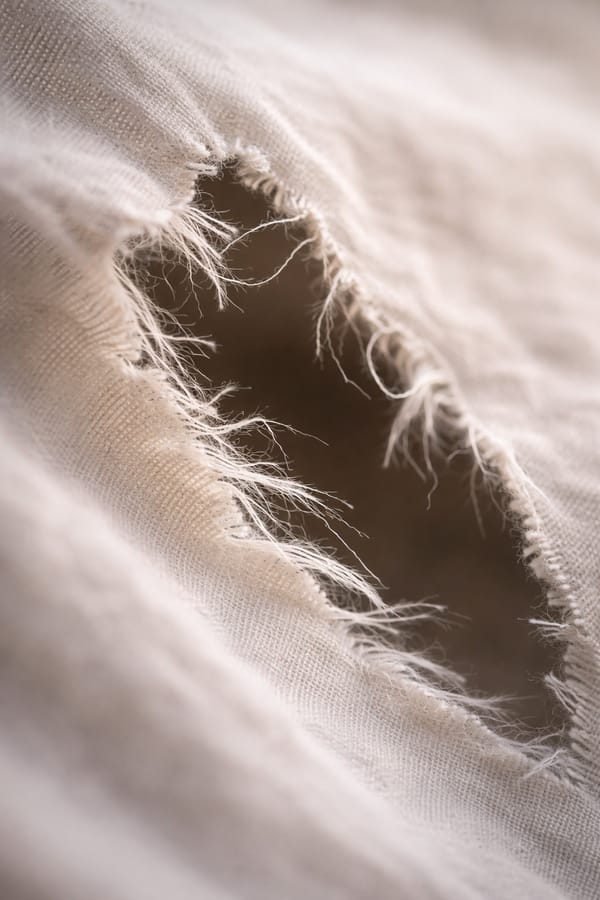
Many people, both patients and professionals, assume that stiff, sore bodies just need more massage pressure — as if muscles and fascia are stubborn Play-Doh that must be assertively kneaded into submission. Unfortunately, there is a long list of underdiagnosed conditions, janky genes, and medication side effects that quietly undermine the resilience of muscle and connective tissue — and these vulnerabilities are so collectively common that almost half of all people have one of them at any time, even when young. By retirement age, practically everyone will have one.1 They are all listed below: several non-rare, and several more exotic examples.
All of those people have below average tolerance for tissue loading. They are literally more fragile — by quite a bit in some cases — such that stress on the tissue leads to irritation, micro-injury, or prolonged soreness and even malaise. Extensive muscle injury can cause flu-like symptoms from mild to severe, even requiring hospitalization in rare cases.
Strong massage therapy, stretch, and weight lifting might not be a great idea for this population! But people are more likely to moderate their own stretching and strengthening to their comfortable limits, whereas aggressive massage is often imposed on them in the name of “healing.” “Deep tissue” massage, intense trigger point therapy (especially “dry needling”), forceful fascial “release” therapy, scraping massage, or other high-intensity manual therapies can all overshoot the unsuspected low load tolerance of tissues in these patients — all for the sake of benefits that are uncertain at best.2
Ironically, many of these conditions cause exactly the kinds of symptoms that inspire people to seek out those therapies in the first place. Some of them even cause precisely the tissue texture — tightness! hardness! — that manual therapists go out of their way to target.
When collagen quality, muscle metabolism, and/or repair capacity are compromised — even subtly — tissues behave less like tough rope and more like aging rubber bands. They still stretch and deform, but they will tear, or fail to rebound as well. For both providers and clients, this means intensity should be a major clinical safety variable — not just a matter of preference, and certainly not a badge of therapeutic no-pain-no-gain virtue. These common conditions suggest that we should:
- Beware of assuming frailty only occurs with age and obvious illness, and keep in mind that injury is possible even without high intensity or painful pressure.
- Generally avoid high intensity, work up to higher-potency manipulation slowly, over multiple sessions, monitoring carefully for adverse reactions (and never rationalizing them as “healing crises” or “that’s how you know it’s working”)
- Occasionally review the conditions described here, and keep an eye out for their red flags — but the whole point and problem is that they can be extremely hard to spot.
Gentle, graded inputs make much more biological sense than pressure when the tissue itself is quietly operating on a reduced safety margin.
Not all strong massage is harmful (obviously)
Some intense massage might even be as good as it feels (“good pain”). It’s easy to scoff at a no pain, no gain attitude, but it’s not necessarily always wrong or simplistic. Can muscles and connective tissue benefit from being handled roughly? It’s not scientifically plausible or evidence-based, but I also don’t think we really know, and there are some reasons to think that it might occasionally be helpful. For the right people. Maybe.
The point of this article is there is probably more potential for harm with a rough massage than most people suspect.
See also:
- The Pressure Question in Massage Therapy: What’s the right amount of pressure to apply to muscles in massage therapy and self-massage?
- You’re Really Tight: The three most common words in massage therapy don’t mean much
- Poisoned by Massage: Rather than being DE-toxifying, deep tissue massage may actually cause a toxic situation
All the non-rare, underdiagnosed conditions that can cause tissue fragility
- Hypermobility spectrum disorder (and cousins like Ehlers–Danlos syndrome) — Connective tissue is surprisingly complex, the result of dizzying biochemistry that can go subtly wrong in many ways. Mild cases can look like being “just bendy” until the injury tally mounts: recurring sprains and tendinitis, and joints that feel unstable or “slippy.” Muscles work extra hard as stabilizers, so fatigue and achiness are common.
- Subclinical hypothyroidism — Clinically quiet but biochemically loud: TSH up, free T4 normal, symptoms optional! This condition can be a low-grade metabolic dimmer switch that slows repair and leaves tissues feeling less resilient. It’s an underdiagnosed background process, especially when people attribute changes to stress or age. The most prominent symptoms include fatigue, cold intolerance, or just feeling “off.”
- Vitamin D deficiency — Often a stealth deficiency: you can be low and feel fine — until you don’t. Vitamin D is entangled with muscle function and coordination of bone–muscle metabolism, so insufficiency can mean subtle weakness, slow recovery, and a higher rate of “oops, pull something” incidents. Prominent signs: weakness and fatigue, bone/joint pain (especially the back), cramps, mood instability.
- Latent iron deficiency (iron deficiency without anemia) — The body’s iron “savings” can be low even when hemoglobin itself is still fine. That can translate into reduced exercise capacity and muscles that complain sooner, louder, and longer (especially with regular exertion and heavy menstruation). It’s easy to miss because it develops slowly, it’s mostly mild, and routine labs may not flag it. Prominent signs: fatigue, listlessness, poor stamina, restless legs.
- Inflammatory myopathy (early/low-grade forms) — This is a whole family of conditions that all cause muscle and connective tissue inflammation, probably mostly or entirely autoimmune in nature; some types are known and relatively diagnosable when full-blown, but they are subtle in the early stages. Several more types are mysterious, annoyingly variable, subtle, and unpredictable. What a category! Big and weird. Their effect is usually more “my muscles seem a bit lame” than dramatic weakness. Inflammation can impair muscle fibers’ ability to generate force and recover, making them feel fragile under load. Signs include: weakness (obviously), specifically trouble climbing stairs or rising from a chair, and elevated creatine kinase (often, but not always).
- Perimenopause and “low-gonadal-hormone” states (e.g. hypogonadism) — Hormones are the boss of connective tissue. When estrogen/testosterone wobble or fall, collagen remodeling and muscle maintenance can drift, nudging people toward tendon irritability, slower repair, and strength losses that feel unfairly abrupt. Often mislabeled as “stress” or “getting older” — it’s more than that! Prominent signs: cycle irregularity/hot flashes (perimenopause) and reduced libido/energy (hypogonadism). There is a very active controversy about estrogen: is it a fountain of youth that can prevent many diseases of aging in most women? But there is no doubt at all that menopausal symptoms remain underdiagnosed and neglected (because patriarchy).
There are also some drug side effects that obviously aren’t diseases, but still constitute “conditions” that only occur with a just-right combination of factors (possibly even interacting with undiagnosed pathologies, e.g. you only get the side effect if something else was already wrong):
- Statin-associated muscle symptoms (mild end of the spectrum) — Most people do fine on the cholesterol meds, but some get aching, cramping, or a drop in strength. Although a well-known problem now (almost too well known! people are nervous about it out of proportion to its seriousness), it’s still easy to blame on aging, training, or bad sleep. Even mild symptoms can reduce muscle resilience and recovery. And you know it involves some tissue fragility because, although much rarer, another known side effect is (yikes) tendon ruptures. The main symptom is just new muscle aches, often with an unfamiliar quality.
- Corticosteroid-related myopathy (including chronic low-grade exposure) — Steroids are anti-inflammatory superheroes with a side quest: catabolism, breaking down tissue. Over time, systemic exposure (mainly from oral steroids) can thin muscle and connective tissue capacity, especially in proximal muscles. This can look like deconditioning and weakness, but that’s about it: very easy to miss if it’s not severe. However, most people on oral steroids are aware of this risk.
- Fluoroquinolone antibiotics (e.g. Cipro) have some particularly nasty side effects, including ones that “involve the tendons, muscles, joints, nerves and CNS” [FDA ]. The most notorious specific side effect is a 4× greater risk of Achilles tendon rupture.3 Now that’s fragile connective tissue! This side effect is quite obscure, and millions of people have taken antibiotics of this type with no idea of the risk, and most who went on to suffer a tendon rupture never made the connection.
Many more drug side effects involve some kind of vulnerability that could be relevant to strong manual therapy. For instance, there’s tamoxifen for breast cancer prevention, which can involve unusual bruising or bleeding (but isn’t known to weaken collagen). Or there’s the aromatase inhibitors, which have side effects that are certainly relevant to musculoskeletal health, but they are more about pain and stiffness than “fragility.” And so on. There are too many of these “almost” possibilities to start listing them as well.
Rareness is not rare
There are several more conditions of interest, but they are mostly quite rare — individually rare, anyway. Collectively? Not so rare!
The thing about rare conditions is that there are an awful lot of them. The chances of any one person having one specific rare condition are low (by definition). But considered all together? The aggregate prevalence of all those rare conditions is gobsmacking, stunning, hard to wrap our heads around: a bare minimum of 4%, but probably more like 10%, and maybe even higher. Hundreds of millions of people globally!4
If you’re in a coffee shop at 8 AM, someone with a rare disease is probably ordering a latté.
Only a subset of those affect the soft tissues in a way that makes people more vulnerable to soft-tissue manipulation. But they are definitely out there, and in significant numbers.
Here’s a short list of less-common (but very real) conditions that can also involve soft-tissue fragility, impaired repair, or reduced tolerance to mechanical stress. None of these are daily clinical realities, but they’re all relevant to the theme: don’t assume tissues are bomb-proof.
All the rare (but collectively common) conditions that can cause tissue fragility
- Facioscapulohumeral muscular dystrophy (FSHD) The most common sub-type of muscular dystrophy, this is technically a rare disease, but only just barely; it is not a clinically obscure condition. (My oldest friend has it, and so I know it well.) And yet it is often missed (even for life) because it can be mild, asymmetric, and slow to progress, if it ever progresses at all. It mostly affects the face, shoulders, and upper arms, and the muscles are weak and sensitive to mechanical stress. Red flags include unusual soreness of exercise, subtle facial weakness, scapular winging, difficulty raising arms (which are eagerly misinterpreted by therapists as “movement dysfunctions”5)
- Mitochondrial disease — When our metabolic engines underperform, muscles and connective tissue fatigue early and recover slowly. Red flags include exercise intolerance, prolonged post-exercise soreness, and multi-system quirks (e.g., hearing loss, migraines, GI issues). Like exercise, intense manual therapy can feel more like a metabolic insult than a helpful stimulus. This will be a common theme throughout this list.
- Loeys–Dietz syndrome — A connective-tissue disorder with vascular and musculoskeletal consequences, often causing a history of “mysterious” orthopedic fragility and aneurysms. Beyond the classic cardiovascular risks, signs include joint laxity, frequent sprains, easy bruising, and unusual scarring.
- Marfan syndrome (milder presentations) — A peculiar genetic disorder that elongates cells, and that scales up to making elongating the whole body: tall and skinny, very long-limbed. Not everyone with this condition looks like the textbook Marfan case, but subtler cases still tend to have joint hypermobility, tendon irritation, recurrent strains, and slow recovery from loading. This one doesn’t really fly under the radar: Marfan syndrome is well-known and highly recognizable to experts, and patients generally know all about their issues, but many less well-trained “bodyworkers” may be oblivious and underestimate its significance.
- Eosinophilic fasciitis (early/mild cases) — Fascia becomes inflamed, thickened, and mechanically cranky. Early clues include sudden limb tightness, pain, reduced tissue glide, and “woody” stiffness without obvious injury. Aggressive stretching or scraping can worsen irritation before the diagnosis is even on the radar.
- Amyloidosis (musculoskeletal involvement) — In this disease, protein deposits infiltrate and compromise tendons, ligaments, and muscle. Red flags include bilateral carpal tunnel syndrome, tendon thickening, unexplained weakness, and easy tissue injury — especially in older adults. This mimics the stiffness that is often targeted by massage therapists: “Oh, you’re so tight!”
- Sarcoidosis (muscle/fascia involvement) — Known for lung involvement, but it can quietly affect soft tissues too, and (like all autoimmune disease) it’s highly variable and unpredictable and easily missed. Watch for persistent muscle pain, nodules, weakness in combinations with systemic signs like fatigue or shortness of breath. But this one really is hard to even suspect with any confidence until it’s properly diagnosed (which is also difficult).
- Systemic lupus erythematosus (early or mild) — Autoimmune activity can subtly impair tissue resilience. Red flags include widespread pain, photosensitivity, joint swelling, and unpredictable flares over many years. Even when symptoms are mild, connective tissue in these patients may not tolerate “no pain, no gain” therapy well.
Not just bruising! What happens to fragile tissues that are massaged too aggressively? More and worse than you probably think!
You don’t even have to be unhealthy to find out “what could possibly go wrong.” You don’t have to have a disease to be vulnerable to deep tissue massage.
Massage is quite safe in general, but nothing’s perfect, and a lot of massage isn’t perfect — it’s often amateurishly reckless. Serious massage injuries are very rare but can occur, especially strokes and pulmonary emboli.6 It can cause minor new injuries or aggravate old ones. Bruising, soreness, and malaise after massage are so common that there’s actually a name for it: post-massage soreness and malaise. Flu-like symptoms! What’s doing that?
It’s probably caused by mild muscle injury — not “detoxification,” but a mild version of a dangerous condition called rhabdomyolysis. This is a hypothesis, but quite a plausible one, with some supporting evidence. This effect is essentially the opposite of the popular marketing claim that massage is de-toxifying. Rather than “flushing” anything harmful out of the blood, it is literally spilling muscle proteins into the blood, which clog the kidneys and cause rhabdo.
See Poisoned by Massage.
“Rhabdo” can hit anyone if the massage is strong enough. It’s just more likely and more severe if you are pathologically vulnerable.
Does caution with pressure solve this problem?
It almost certainly helps, but gentleness isn’t a complete solution.
Many therapists use breathing as a safety cue, and assume that the pressure is fine and safe as long as it doesn't cause gasping or holding (signs of pain and sympathetic activation). It’s certainly a better than nothing red flag, but it’s not good enough. It’s drawing the warning line a little too deep into "deep tissue" territory, because damage can occur even without uncomfortable or unpleasantly painful pressure!
Of course you want to be a good clinical “listener” and generally avoid painful or unpleasant pressure, but there are still multiple sources of vulnerability that could go unnoticed until it’s too late. Vulnerability does not correlate tidily with intensity of sensation, and damage can in fact be drane to patients with some of these conditions with few sensory warnings signs, or even none at all … in precisely the same way that people can actually quite easily overdo it with exercise without realizing it.
There should probably be a significant amount of erring on the side of caution even without any clear clinical clues.
It also isn’t enough to just respect patient preferences (“I was just following orders”) because patients themselves also often buy into no-pain-no-gain dogma, and can be unaware of their own vulnerabilities. Every massage therapist has heard things like: “Don’t worry, you can’t hurt me!” People are fully capable of actually liking their own counter-productive and self-destructive behaviours. We have a long and sordid history of gleefully indulging in harmful health and wellness practices!7
Chronic pain itself is a kind of “fragility”
Chronic pain is not a disease that makes tissue physically fragile, but sometimes pain itself is the “condition,” and it makes tissues vulnerable — to more pain! Chronic pain is part of many clinical pictures, so it gets an honourable mention on this list of pathological drivers of fragility.
Chronic pain often involves poorly understood dysfunction of the pain system itself — “nociplastic” pain. This is powered by neurological sensitization: more pain with less provocation, mediated by a mess of physiological factors from the nerve endings to the spinal cord to the brain. Nociplastic pain may be driven by an underlying and ongoing medical problem, but it’s also possible that it can reverberate long after the initial problem has resolved.
Rough handling of patients with this kind of pain can probably make a bad situation worse.
If some people are more fragile, does this mean that they are more vulnerable to things like “tech neck” and other postural bogeymen?
A major theme of this website — and of progressive modern physical medicine in general — is that we have a lot of overblown worries about posture, alignment, and other biomechanical factors.8 But that doesn’t mean that these things never matter — as I have always been careful to acknowledge!
Pathological vulnerability might be why they do matter sometimes. For instance, postural stresses that are innocuous for healthy people could actually be a problem for some people with the conditions listed above. And that is intriguing.
“Tech neck” is still mostly a ridiculous postural bogeyman, to be clear! This is the idea that excessive use of technology is a postural/ergonomic apocalypse causing a pandemic of neck pain. This is mostly about (profitably) sensationalizing a harmless posture in the healthy majority. The goal is to sell misdirected therapy and wellness optimization (the template for most fear-mongering about body mechanics). We know that’s how it works because the science is so weak, the claims are so ridiculous (“children are growing horns!”), and because you never see a tech neck “expert” making reassuring, nuanced disclaimers like: “But you only need to worry about this if you have a pathological vulnerability like Ehlers–Danlos Syndrome!”
But what if you do have EDS? Or one of the many other conditions that make people more vulnerable, more fragile? What then? Is “tech neck” actually a concern for some people?
Yes, but probably only a little. Postural stresses remain relatively minor even for these more vulnerable people, and are nowhere near as potentially dangerous to them as a deep tissue massage, or a session of aggressive fascial stretching. I wrote this article because intense manual therapy is common, and its risks are significant, expensive, avoidable, and don’t even have a clear therapeutic rationale or supporting evidence. But even with vulnerable patients there’s no obvious epidemic of major massage harms.
Looking down at your phone a bunch is just not in the same league. “Inefficient” posture and movement are much tamer stresses that no one is paying to have inflicted on them for the sake of dubious therapeutic goals. They also aren’t nearly as avoidable (“correcting” posture is notoriously difficult, and in many cases it’s effectively impossible). And whatever solution does exist is straightforward: mostly just avoid uncomfortable postures!
Most vulnerable people just aren’t vulnerable enough for this to be a major concern. And for an unlucky minority, I think it’s still only a minor one.

What’s new in this article?
Six updates have been logged for this article since publication (Jan 13th, 2026). All PainScience.com updates are logged to show a long term commitment to quality, accuracy, and currency. more
Like good footnotes, update logging sets PainScience.com apart from most other health websites and blogs. It’s fine print, but important fine print, in the same spirit of transparency as the editing history available for Wikipedia pages.
I log any change to articles that might be of interest to a keen reader. Complete update logging started in 2016. Prior to that, I only logged major updates for the most popular and controversial articles.
See the What’s New? page for updates to all recent site updates.
Feb 4, 2026 — Added “Does caution with pressure solve this problem?” Added a sidebar about criticism of the article. Added Ehlers–Danlos syndrome into the summary (it’s an especially important example, and it’s not just “hypermobility”). Revised the clinical recommendations at the end of the intro.
February — Added a disclaimer that “not all strong massage is harmful” disclaimer, but clarified that “there is probably more potential for harm than most people suspect.” Small but important.
February — Added audio version. Many minor improvements along the way, because reading always reveals plenty of issues. 😜
February — Added new section: “If some people are more fragile, does this mean that they are more vulnerable to things like ‘tech neck’ and other postural bogeymen?”
January — Added new section: “Chronic pain itself is a kind of fragility”
January — Added new section: “Not just bruising! What happens to fragile tissues that are massaged too aggressively? More and worse than you probably think!”
January — Publication.
Notes
Half of all people? Practically every older person? Big numbers! The estimates are rough, but they are defensible. Here are some caveats and clarifications:
- Most of those would be the milder cases of the less serious conditions … but even factoring them out that would still leave something like at least 1 or 2 people in ten having one of these conditions.
- The prevalence is dominated by the nutrient deficiencies (vitamin D and iron), which vary wildly by region, and also co-occur a lot.
- Accuracy is ultimately hamstrung by overlapping and shifting definitions and poor diagnosis, but in general conditions like this are more common than our best estimates, not less.
Considering all that, it’s not unreasonable to estimate a prevalence of 50–65% for at least one of the conditions listed below. And that rises sharply with age, approaching “most people” after six decades (especially women if we include menopause with age) — and continuing to rise until eventually it becomes essentially all people … and more of a statement about life stages than pathology.
- Therapeutic massage is expensive but popular and pleasant, with clear subjective value and proven benefits for anxiety and depression, but little evidence for other medical effects. Evidence for benefits in back, neck, or other musculoskeletal pain is weak. Training standards vary widely, many therapists have limited musculoskeletal expertise, and the profession is rife with pseudoscience, including detox myths and the belief that painful “deep tissue” work is necessary. Even so, some benefits are plausible, perhaps related to effects on poorly understood “muscle knots,” and the mental-health benefits are strong enough that massage remains worthwhile even if it does little for pain. See Does Massage Therapy Work? A review of the science of massage therapy … such as it is.
- Alves C, Mendes D, Marques FB. Fluoroquinolones and the risk of tendon injury: a systematic review and meta-analysis. Eur J Clin Pharmacol. 2019 Oct;75(10):1431–1443. PubMed 31270563 ❐
Rareness is not rare. Rare diseases are defined individually by low prevalence, but there are thousands of distinct rare conditions catalogued in global databases like Orpha.net. Because of this large number, researchers have estimated how common rare diseases are collectively. When you add up all rare diseases with known prevalence data, they affect about 3.5%–5.9% of the world’s population at any given time — so very roughly 263 million to 446 million people worldwide right now. [Wakap et al.] Estimates from other literature place the figure slightly higher (around ~6%–8% of the global population) depending on definitions and sources. [Auvin et al.]
Incredibly, such estimates are considered conservative because they exclude many things that are harder to track: rare cancers, infectious diseases, and more, anything not consistently coded in epidemiological sources … which is plenty! If you did include those, the number almost certainly doubles.
While each rare condition is uncommon, the chance of any one person having some rare condition is not negligible. Rare diseases as a group represent a significant portion of global morbidity. [Chung et al.]
- Why “eagerly”? Well, when all you have is a hammer… The manual therapy industry has a massive cognitive bias in favour of seeing the body through a “structural” lens, overemphasizing the importance of posture, symmetry, movement, and biomechanical factors in pain and injury. This perspective isn’t just common, it’s overwhelmingly dominant to the point of being a systemic glitch in the industry. See Your Back Is Not Out of Alignment.
- Ingraham. Massage Therapy Side Effects: What could possibly go wrong with massage? The risks and side effects of massage therapy are usually mild, but “deep tissue” massage can cause trouble. PainScience.com. 5602 words.
- The colourful history of medicine and quackery is overflowing with people who “swore by” treatments that were bizarre and perilous. Even the worst had fans. People believe what they want to believe. For more information, see Popular but Weird & Dangerous Cures: The most dangerous, strange, and yet popular snake oils and “treatments” in history (and why anecdotes and testimonials cannot be trusted).
- “Structuralism” again — previously mentioned in the context of why the scapular winging of FSHD is “eagerly” misinterpreted as a movement dysfunction. I define structuralism as the excessive focus on causes of pain like crookedness and biomechanical problems. It’s an old and inadequate view of how pain works, but it persists because it offers comforting, marketable simplicity that is the mainstay of entire styles of therapy. “Structuralism” is the excessive focus on crookedness and “mechanical” problems as causes of pain. It has been the dominant way of thinking about how pain works for decades, and yet it is a source of much bogus diagnosis. Structuralism has been criticized by several experts, and many studies confirmed there are no clear connections between biomechanical problems and pain. Many fit, symmetrical people have severe pain problems! And many crooked people have little pain. Certainly there are some structural factors in pain, but they are generally much less important than messy physiology, neurology, psychology. Structuralism remains dominant because it offers comforting, marketable simplicity. For instance, “alignment” is the dubious goal of many major therapy methods, especially chiropractic adjustment and Rolfing. See Your Back Is Not Out of Alignment: Debunking the obsession with alignment, posture, and other biomechanical bogeymen as major causes of pain.
