


Pillow talk: the evidence about pillows and neck pain is soft
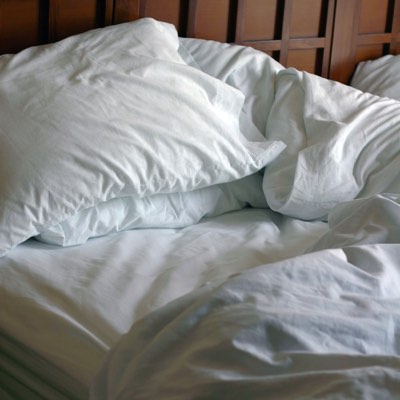
Scene of the crime? Cricks often strike overnight — so pillows get both credit and blame.
Sleeping badly and hurting are entangled: poor sleep is linked to worse neck pain, and better sleep to improvement. Anything that helps you sleep is probably part of the neck-pain picture — a bad pillow can interfere with that, and a good one won’t.
But what’s a “good pillow,” other than “comfortable”? Just getting your beauty sleep is not why people buy orthopedic pillows. They get marketed like medical devices — and pillows are especially relevant to neck cricks, because cricks usually strike overnight. Cervical contours! Memory foam! Buckwheat husk! The pitch is always that the right pillow will end your morning neck pain, your tension headaches, maybe even your snoring and your existential dread.
And there’s always something about alignment — the most popular-but-vague concept in all of musculoskeletal medicine.
Orthopedic pillow claims are classic “deepities”: what is most profound about them is untrue, and what is true is rather boring. It’s perfectly reasonable to expect a comfortable, roughly neutral head position to be less likely to trigger neck pain or headaches — but comfort can only do so much, and virtually every other idea about what makes a pillow medically useful has come from the ads, not from research (which barely exists).
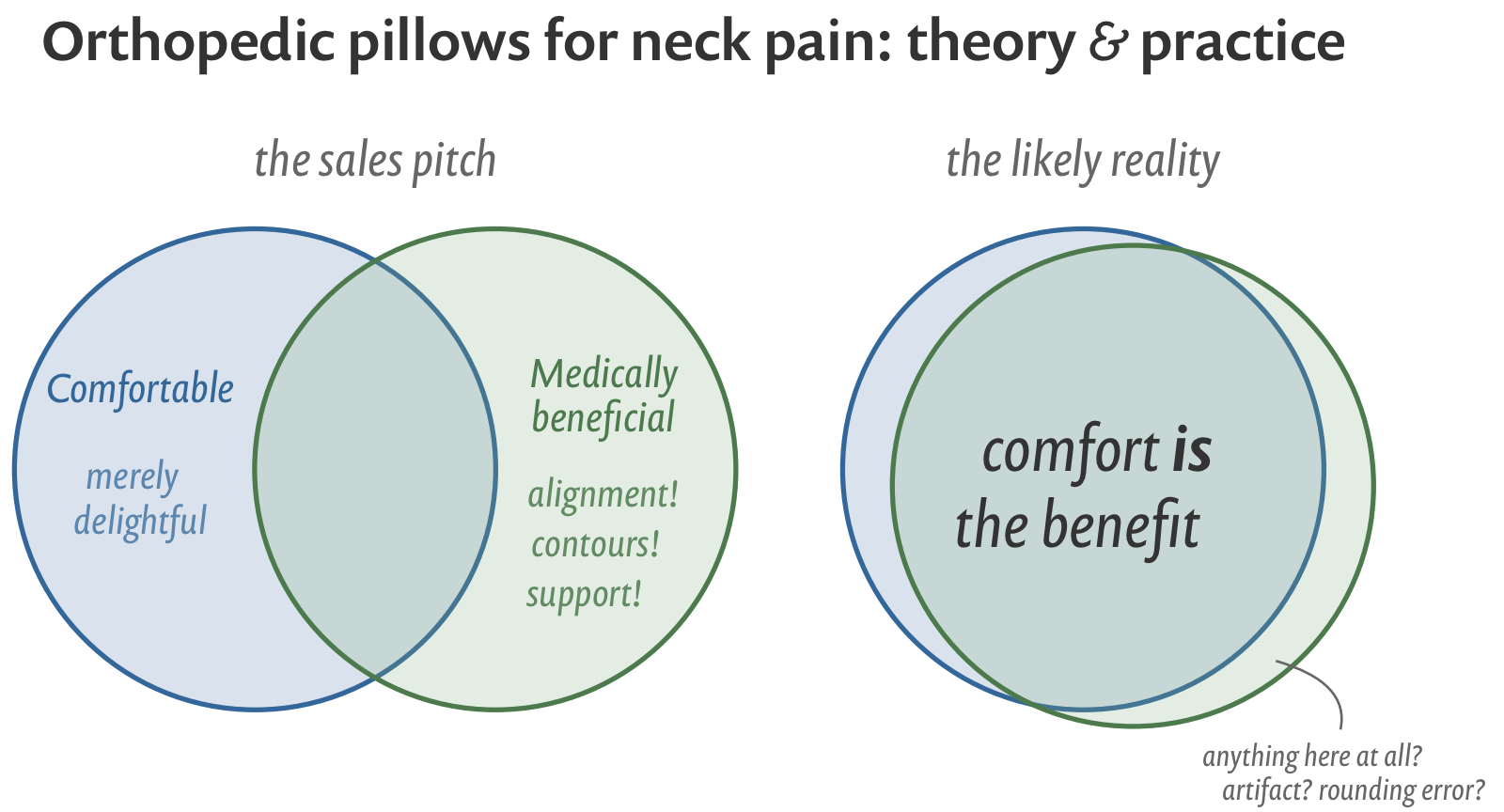
Most importantly, the advertised features of orthopedic pillows are meaningless if you do not personally like how the pillow feels! The Venn diagram of “comfort” and “medically beneficial” is basically a circle: all that matters is how comfortable it is.
What a pillow can plausibly do
A pillow does not have a difficult job: fill the space between your mattress and your head so that your neck doesn’t spend the night bent in some unhappy direction. We’ve all regretted an evil pillow — one can ruin a night and aggravate a neck — and any decent pillow prevents that worst-case scenario. Which is why almost everyone is already using a pillow they like: bad pillows are mostly a self-correcting problem.
The harder question is whether you can meaningfully upgrade a pillow that already feels fine. The idea that an okay-feeling pillow can still limit or threaten your neck health is a bit of a reach — and yet that idea must be true for an “orthopedic pillow” to have any value.
What a pillow almost certainly can’t do
A pillow is not a “treatment” for most of the things that cause neck pain and headaches — it cannot reverse osteoarthritis, unpinch an angry nerve root, or untie the knot of risk factors for chronic pain. And no pillow can “realign” anything in a lasting way: the spine doesn’t stay where you put it overnight, only extreme deviations from neutral are a problem in the first place, and it’s wishful thinking that anything short of a vice could stop you from squirming in your sleep. And nobody wants a pillow that feels like a vice! There’s quite a low upper limit on how much “support” a pillow can offer before it becomes a new kind of problem.
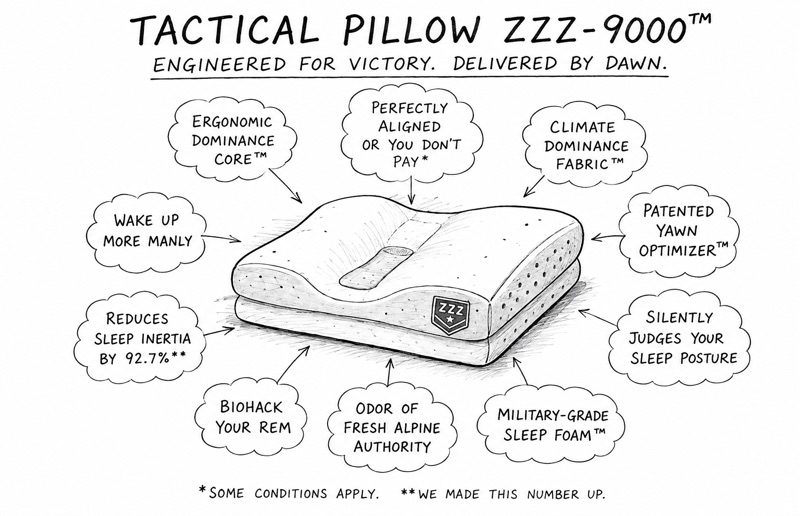
Satire — but only slightly sillier than some real pillow marketing.
Almost zero science-based conclusions — with one faint exception
The only way to really know if any kind of pillow can make a difference for neck pain is to test it with good science. Too bad no one ever has. You don’t need good evidence to sell fancy pillows! Hype and hand-waving about alignment are much cheaper.
Pillow trials tend to be small, short, methodologically weak, and funded on the cheap by the pillow pushers themselves. The most-cited pillow trial in the literature — a glowing report about a water-filled pillow — was bankrolled by the pillow’s manufacturer (Lavin et al). Two modern attempts to synthesize this junk (Chun-Yiu et al and Ghosh et al) both found trivial-to-absent effects, no pillow type superior to any other, and sleep quality unmoved … and then both dressed up those nothingburgers as cautiously positive conclusions their own data doesn’t support.
I take all of this apart in properly nerdy detail in my neck pain book, if that’s your idea of a good time.
For the foreseeable future, the evidence remains technically inadequate rather than actually negative. But what we do have shows no clear benefit — despite plenty of it being produced by people who badly wanted to find one. That’s the disappointing outcome you’d expect if pillows just don’t matter much.
If pillows matter at all, that’s where, and that’s about how much.
Personal trial and error is unavoidable — even if we had better evidence
Comfort isn’t a tiebreaker — it’s almost the whole game. Even if there were excellent evidence that Pillow A is the objectively best pillow for the average neck, it might still be the wrong pillow for you — and you wouldn’t stick with it if Pillow B felt better. Good evidence would only narrow the search: it would tell you which neighbourhood to shop in, but it would not save you from testing pillows yourself, over weeks, while trying not to be misled by the natural ups and downs of pain. Did your neck get worse because there’s something wrong with that pillow … or did you just sleep on it funny one time?
If there’s an obvious pain-pillow link in your life, it’s not a mystery and not a problem. If your neck hurts more in the morning than it does the rest of the day, your pillow is a reasonable suspect, and experimenting is cheap relative to most things you might try.
Start with the variable that matters most: height. Side sleepers generally need more, back sleepers less, stomach sleepers almost none — and stomach sleeping, while we’re here, is the position least kind to a neck no matter what’s under your head.
Try one change at a time. Give each pillow more than one night — first impressions are often wrong. But don’t tolerate discomfort for long! Finding a comfy one is the whole point.
And if there is not an obvious pain-pillow link … it’s probably not a problem! If your neck hurts no more in the morning than at any other time, your pillow probably isn’t the villain, and no pillow is going to be the hero. Sorry. Shopping for a special pillow will just cause a pain in the wallet to go along with the one in the neck.