


Tight hamstrings, back pain, and movement
A weekly nugget or two of pain science news and ideas for patients and pros, usually 400–1000 words. The blog is the “director’s commentary” on the core content of PainScience.com: a library of major articles and books about common painful problems and popular treatments. See the blog archives or updates for the whole site.
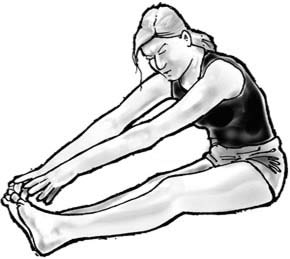
So that’s how it is. But why and what does it mean? That’s much trickier, of course. Apparently hamstring flexibility is a trivial factor in how the back moves, and it gets trumped when people develop back pain. Which probably means that tight hamstrings aren’t a risk factor for back pain. Which probably also means stretching — even if you could stretch hamstrings — also won’t have much effect on how back pain patients use their backs. For whatever that’s worth.
Oh, and the lack of correlation persisted even after recovery, which is particularly interesting. And also mostly uninterpretable without more information (like how long that effect lasts).